The Psychology of Space: How Efficient Storage Can Reduce Stress and Increase Productivity

Understanding the Impact of Physical Spaces
The arrangement of our physical environments plays a crucial role in shaping our mental and emotional well-being. A cluttered workspace, much like the busy markets of Lagos where chaos reigns supreme, can create a sense of disarray that impacts our ability to work effectively. Similarly, at home in Abuja, a disorganized living area can foster feelings of being overwhelmed, detracting from relaxation and quality family time. Research has shown that an effective storage system not only enhances productivity but also brings about substantial psychological benefits.
Here are some key effects of organized spaces:
- Reduced Stress: Numerous studies indicate that clutter contributes to increased levels of anxiety. An untidy environment can mirror mental chaos, making it challenging to concentrate on tasks. For example, after a long day at work, returning to a disorganized house can intensify stress levels, while a clean, orderly space can promote relaxation.
- Enhanced Focus: A tidy environment is essential for maintaining focus. Without the distractions of scattered files or unnecessary items, individuals can dedicate their full attention to the task at hand. In the context of busy Nigerian offices, adopting a clean desk policy can lead to a noticeable improvement in employee productivity.
- Improved Time Management: Time is a precious commodity, particularly in fast-paced urban settings. Organizing storage ensures that everything has a designated place, enabling individuals to quickly locate necessary items. This efficiency can significantly reduce time wasted searching for belongings, ultimately translating to more productive hours in both personal and professional contexts.
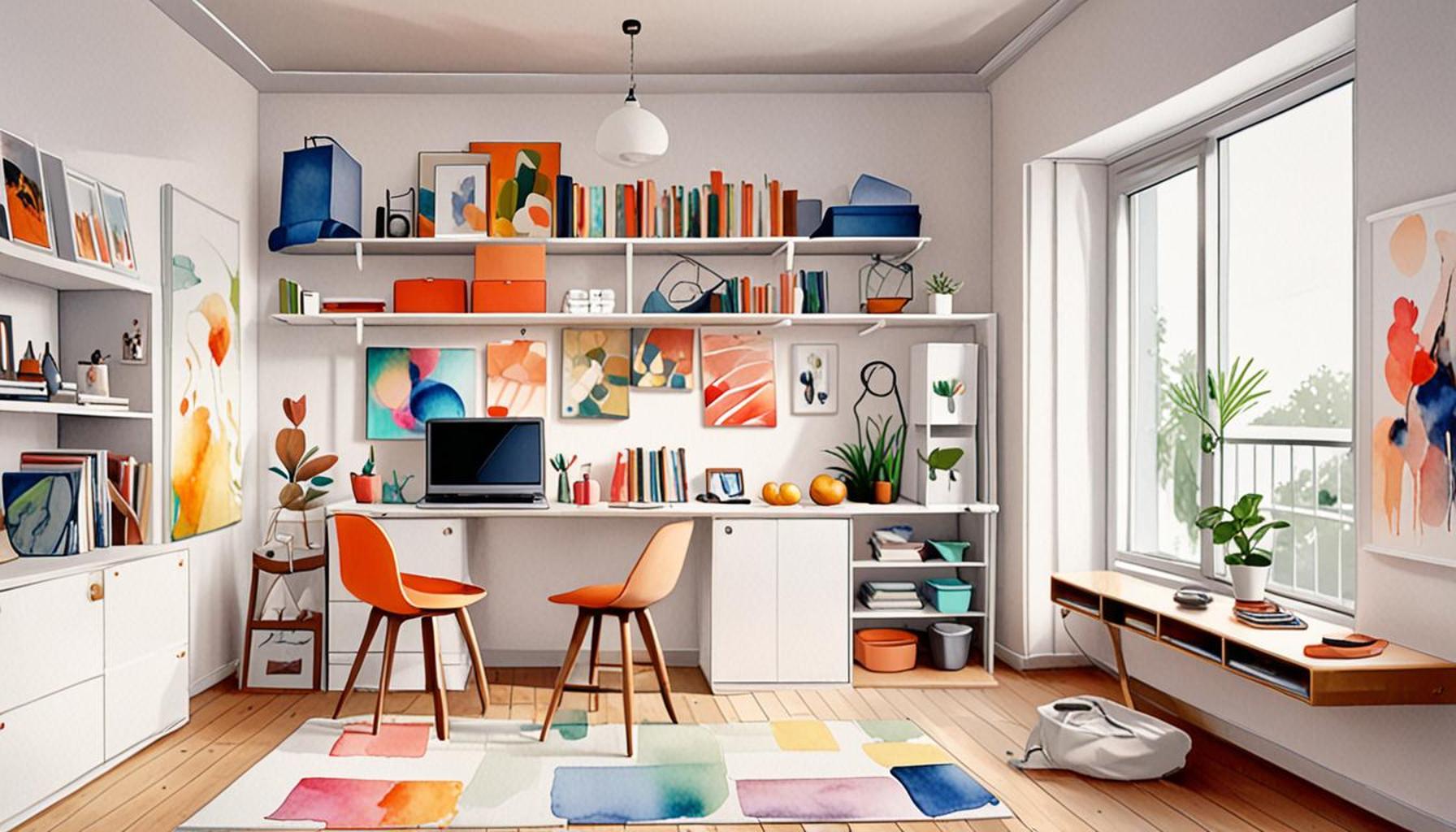
In Nigeria, where urban spaces can be limited, innovative storage solutions are of paramount importance. For instance, utilizing vertical storage options in small apartments, such as wall-mounted shelves or overhead cabinets, can maximize available space while keeping the area tidy. These solutions not only facilitate better organization but also free up floor space, making homes feel more expansive. Furthermore, labeling storage boxes can enhance accessibility, ensuring that family members quickly find what they need without frustrating searches.
By delving into the psychology of space, individuals and businesses can create environments that are not only visually appealing but also foster mental clarity and heightened productivity. The connection between our surroundings and our state of mind is profound; thus, exploring efficient storage solutions is essential for achieving a harmonious balance in daily life. A well-organized space not only enhances functionality but also supports overall well-being, paving the way for a healthier relationship with both work and home life. Understanding these dynamics can lead to empowered choices in how we design and utilize our spaces, ultimately enriching our quality of life.
LEARN MORE: This related article may interest you
The Benefits of Organized Spaces on Mental Clarity
When considering the psychology of space, it’s essential to grasp how our environments influence our mental state and behaviors. The effectiveness of efficient storage extends beyond mere aesthetics; it plays a pivotal role in cultivating a productive and low-stress atmosphere. Research suggests that people who maintain organized spaces experience fewer distractions, leading to more focused and engaged actions. This correlation between organization and mental clarity is particularly relevant in our rapidly urbanizing Nigerian towns and cities.
Several psychological theories support the idea that clutter can lead to mental fatigue. One such theory posits that our brains have to work harder to process visual information when confronted with disorderly environments. Thus, it’s no surprise that individuals often feel overwhelmed in cluttered spaces, leading to procrastination, decreased efficiency, and increased stress. In contrast, achieving a coherent structure in our work and living areas promotes a sense of control and calmness.
Key Elements of Efficient Storage
Understanding the significance of organized spaces brings us to the essentials of efficient storage. Embracing effective storage solutions can alter not only our work output but also our overall emotional well-being. Here are some vital elements that highlight how proper organization can be transformative:
- Simplicity: An organized space invites simplicity, making it easier to navigate daily tasks. When every item has a designated home, individuals can effortlessly transition from one responsibility to another.
- Accessibility: Efficient storage systems prioritize accessibility. For example, in bustling cities like Lagos, where time is of the essence, having items easily reachable can significantly enhance productivity, minimizing the time spent searching for necessary tools or documents.
- Personalization: Personalizing storage solutions according to individual preferences can make a space feel right. This connection to one’s environment fosters a positive emotional response, making individuals more inclined to maintain organization.
Moreover, in a developing country like Nigeria, cultural nuances shape our approach to storage. With communal living arrangements becoming increasingly popular, developing shared organizational strategies can enhance harmony among family members or cohabitants. Enhanced communication about where items are stored and shared responsibilities can lead to improved relationships and reduced conflict over misplaced belongings.
In the quest for a healthier lifestyle, considering the impact of organized spaces is imperative. By investing in efficient storage systems and embracing practices that promote tidiness, we can foster a productive and stress-free environment. With integrated strategies that align with our unique cultural contexts, the benefits of optimized spaces become even more significant, creating a ripple effect that can elevate every aspect of life from work to family interactions.
| Advantages | Benefits for Productivity |
|---|---|
| Clutter Reduction | Decreases visual distractions, allowing for better focus on tasks. |
| Improved Organization | Streamlines workflows, leading to enhanced efficiency in completing projects. |
| Stress Reduction | Creates a calming environment, contributing to overall well-being and mental clarity. |
| Empowerment | Gives individuals the ability to control their surroundings, fostering a sense of autonomy. |
Exploring the psychology of space reveals that efficient storage solutions do more than just clear out clutter; they profoundly impact our mental and emotional states. For instance, studies have shown that reducing visual chaos can significantly enhance concentration and creativity. In environments where efficiency is prioritized, the clear organization of materials enables individuals to transition seamlessly from one task to another, boosting productivity.Moreover, a tidy space acts as a catalyst for stress relief. When everything has its place, the feeling of overwhelm diminishes, allowing clearer thinking and decision-making. Additionally, feeling organized cultivates a sense of empowerment, as individuals can dictate their surrounding environment. This control contributes positively to one’s overall emotional health, making efficient storage not just a functional choice but a vital aspect of personal well-being.
YOU MAY ALSO LIKE: Read read another article
Creating Spaces that Foster Creativity and Well-Being
The presence of efficient storage systems is fundamental not just for reducing stress, but also for enhancing creativity in our personal and professional environments. Studies have demonstrated a direct link between a structured environment and the ability to innovate; when individuals are not burdened by clutter, their minds are freer to explore new ideas. In the context of Nigeria, where the creative industry is booming, having a well-organized workspace can significantly expand one’s potential to brainstorm and develop unique concepts.
Furthermore, the arrangement of physical space also influences social interactions, which can play a major role in productivity. Open and well-organized spaces encourage collaboration and communication among team members. For example, in many Nigerian start-ups, fostering a team environment where employees feel connected and comfortable can lead to more dynamic brainstorming sessions. Implementing communal storage solutions for shared resources can further bolster teamwork, as it encourages accountability and encourages individuals to contribute to the collective organization.
Choosing the Right Storage Solutions
In a country as diverse as Nigeria, cultural elements must be considered in our approach to storage solutions. Traditional homes may not always have the luxury of space, making it imperative to get creative with organization. Choosing multi-functional furniture—such as storage ottomans or beds with drawers—can optimize space while maintaining a clean, organized look. Integrating local craftsmanship into functional storage can also celebrate cultural heritage while enhancing organization. Items like woven baskets for sorting, or locally manufactured shelves can add an authentic touch to any room.
Moreover, the introduction of technology can revolutionize how we view storage. Mobile applications designed for inventory management, combined with traditional storage systems, can streamline organization, particularly for business owners. This not only secures important documents but also reduces the feeling of being overwhelmed by physical clutter, allowing entrepreneurs to focus on scaling their businesses effectively.
Combatting Emotional Challenges Through Organization
Managing one’s mental health is crucial in achieving productivity, and effective storage plays an often-overlooked role in this endeavor. Studies have shown that individuals experiencing anxiety or depression may find it particularly challenging to implement organization in their living or working spaces; however, establishing structure can be an effective coping mechanism. Simple strategies such as decluttering regularly or using visual reminders to maintain organization can serve as therapeutic activities that foster a sense of accomplishment and control.
- Establishing a Routine: Creating daily routines centered around organization can help change behavior patterns. Regularly allocating time to reorganize spaces fosters consistency and reduces the build-up of clutter throughout the week.
- Mindful Organization: Engaging in mindful practices while organizing can create a positive relationship with one’s environment. As people declutter, they can reflect on items that hold emotional significance, leading to a more intentional relationship with their belongings.
- Visual Aids: Using color-coded storage or visually appealing containers can enhance motivation to maintain organization. For instance, bright bins can make a home office feel more inviting, thereby improving the overall workspace vibe.
Through these strategies, the organization becomes a proactive element that not only enhances productivity and creativity but also serves as a pathway to improved mental well-being. In the hustle and bustle of Nigerian urban life, efficient storage solutions provide a sanctuary from chaos, nurturing both the mind and spirit toward success.
CHECK OUT: Click here to explore more
Conclusion: The Transformative Power of Efficient Storage
As we explore the psychology of space, it becomes increasingly apparent that efficient storage plays a pivotal role in shaping our environments and, ultimately, our lives. In Nigeria’s rapidly evolving landscape, where both creative and entrepreneurial endeavors are on the rise, the significance of organized spaces cannot be overstated. From enhancing mental well-being to boosting productivity, efficient storage solutions can transform how individuals engage with their work and personal lives.
The integration of cultural elements and innovative design in storage solutions encourages a harmonious relationship between functionality and aesthetics. By utilizing multi-functional furniture and local craftsmanship, individuals can create spaces that not only nurture creativity but also celebrate cultural heritage. Furthermore, the incorporation of technology, such as inventory management apps, can empower users to maintain organization with ease, making the cluttered chaos of urban life feel more manageable.
Ultimately, efficient storage serves as a strategic tool for combatting emotional challenges. By establishing routines, practicing mindful organization, and incorporating visual aids, individuals can foster a greater sense of control and accomplishment. This proactive approach contributes to a healthier mindset and paves the way for enhanced productivity and creativity, making the case for organized living undeniably strong.
In light of these insights, it is evident that the psychology of space, particularly in nurturing an organized environment, is not just about aesthetics—it’s a vital component of our mental and emotional landscape. To thrive in the contemporary world, embracing effective storage solutions can be a transformative step towards reducing stress and unlocking the limitless potential within.