The Influence of Nigerian Culture on the Perception of Clutter: Minimalism and Local Traditions
The Complex Tapestry of Nigerian Culture and Clutter
Nigeria, with its rich and diverse cultural heritage, stands as a vibrant testament to the intricacies of traditions, values, and modern influences. The evolving landscape of urbanization, accompanied by globalization, has tilted the perception of clutter—a notion that has been subtly redefined over generations. As the country grapples with modern challenges, understanding this nexus between clutter and culture opens up compelling discussions surrounding identity and aesthetics.
Traditional Values and Communal Living
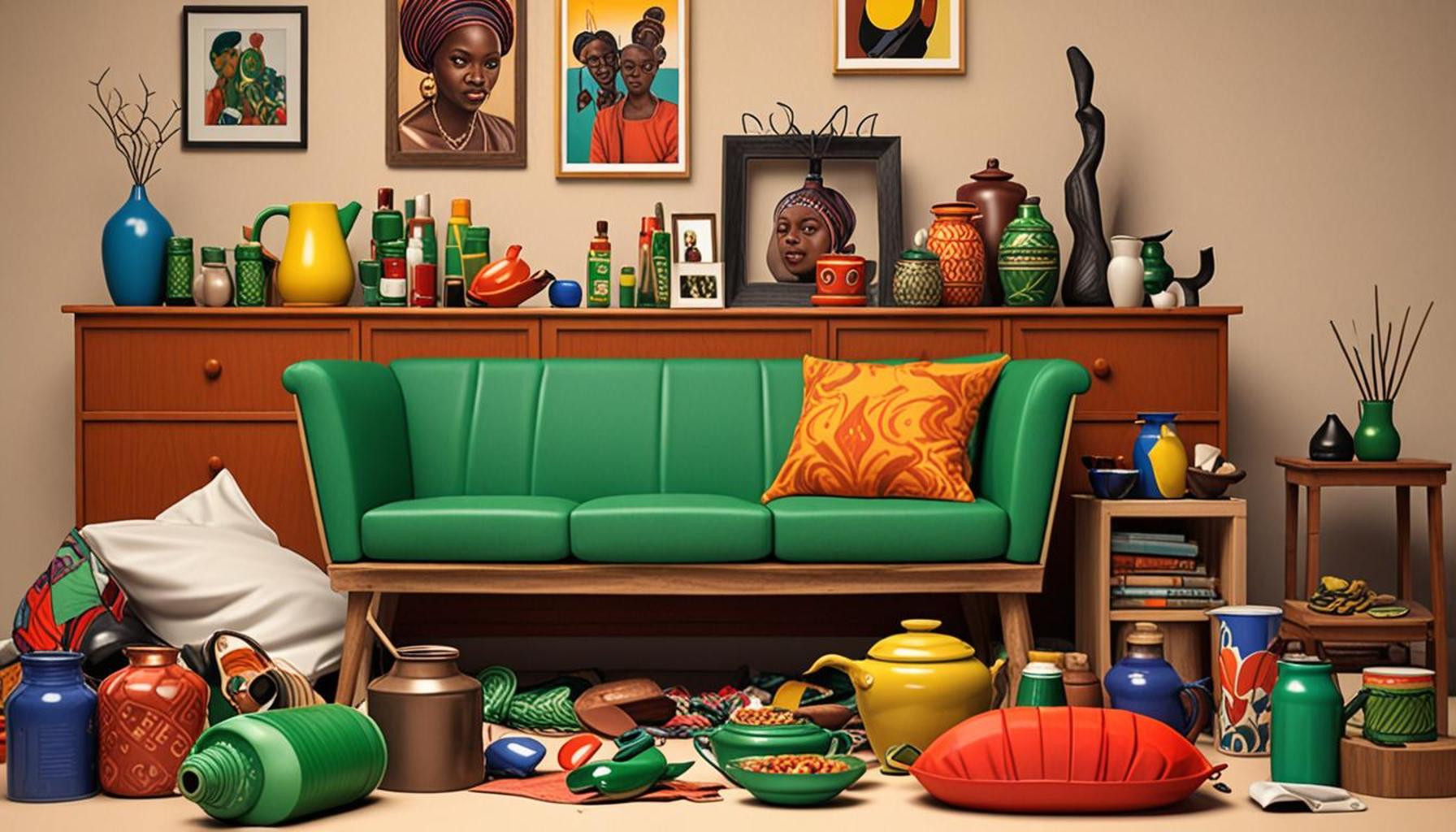
In numerous Nigerian communities, a hallmark of tradition is the concept of communal living. Unlike Western ideals that often celebrate individualism and minimalistic spaces, Nigerian households frequently blend history, culture, and personal memory within their living environments. For instance, an average home in rural Nigeria might be adorned with colorful woven mats, intricately carved wooden masks, and an array of artifacts from local artisans. These items carry stories and reflect values that prioritize community over individual space.
This cultural richness often results in environments that may appear cluttered by minimalist standards but are deeply meaningful to their owners. Families gather in these shared spaces, creating a sense of belonging that transcends physical space. In cities like Lagos or Abuja, the hustle and bustle of urban life may encourage some to declutter, yet the heart of many still beats for the lush vibrancy of their heritage.
The Spiritual Dimension of Clutter
Nigeria’s plethora of ethnic groups contributes to a complex understanding of the notion of clutter, particularly through spiritual beliefs. In some cultures, certain items—be it statues, masks, or even textiles—are regarded as possessing spiritual significance. For instance, the Yoruba people often keep idols or other artifacts that honor their ancestors, which are integral to their daily lives and rituals. In such contexts, what may be labeled as clutter in other societies can evoke a profound sense of spirituality and connection to the past.
Modern Adaptation and Minimalism
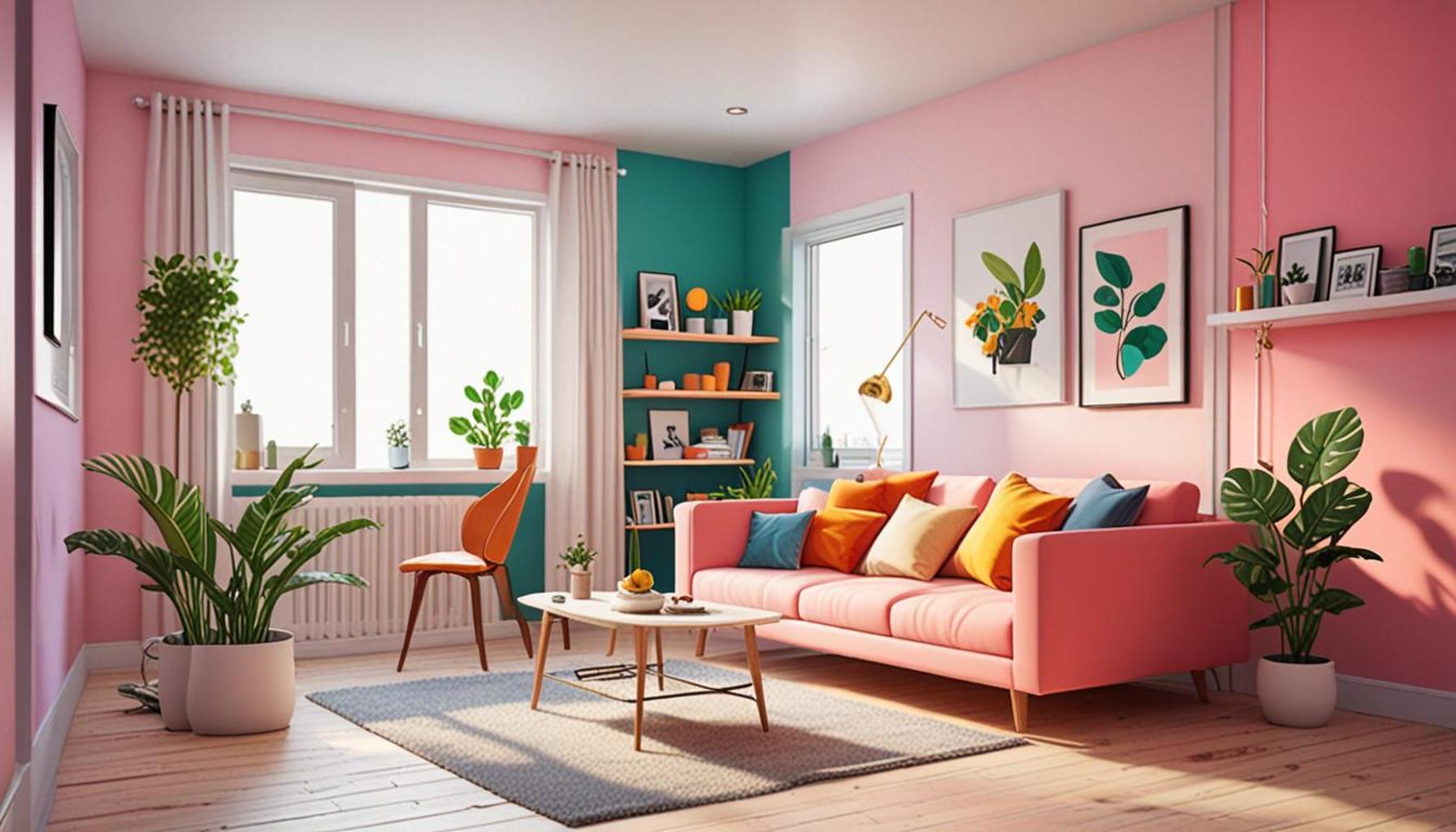
As Nigeria continues to modernize, particularly in urban environments, the allure of minimalism is beginning to take root. Younger generations, influenced by global trends often showcased on social media, are exploring ways to simplify their lifestyles while attempting to uphold their cultural legacies. This emerging duality fosters an interesting dynamic: how can one embrace a clean and simple aesthetic while respecting the vibrant traditions that define them?
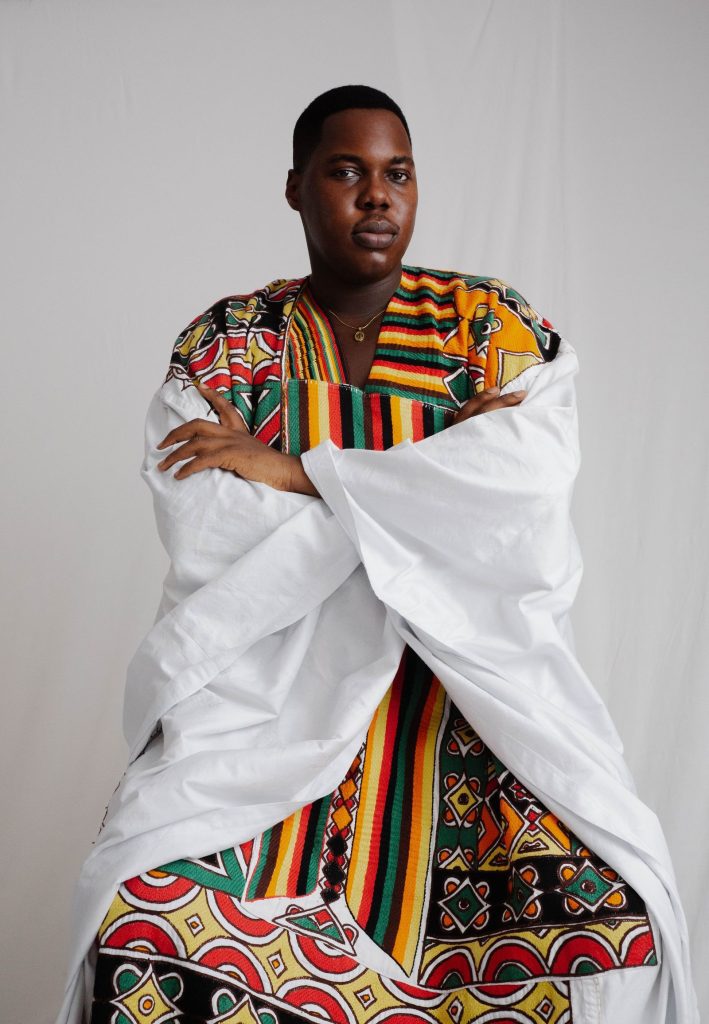
Innovative thinkers within Nigeria are finding unique ways to merge the old with the new. For example, interior designers are increasingly incorporating minimalist principles while celebrating local craftsmanship, finding a balance that resonates with both tradition and contemporary expectations. Events such as home decor exhibitions showcase these ideas, inspiring others to rethink how they perceive clutter and space.
As Nigerian society navigates through this intriguing intersection of cultural heritage and modern influences, it raises essential questions about the essence of identity. What does it mean to be Nigerian in the context of global minimalism, and how can the past inform a prosperous future? By delving into this complex relationship, we not only better understand Nigerian culture but also discover how it adapts and thrives in a rapidly changing world.
ADDITIONAL INSIGHTS: Expand your understanding here
Interpreting Clutter Through a Cultural Lens
Understanding the perception of clutter in Nigeria requires a deep dive into the layers of cultural significance that shape everyday living. As the country embarks on a journey of modernization, the contrasts between global minimalistic tendencies and the abundant richness of local traditions bring fascinating insights into how clutter is interpreted.
The Symbols of Heritage in Everyday Spaces
Within the fabric of Nigerian culture, objects are not mere belongings; they are symbols of heritage and identity. Traditional artifacts, from colorful beadwork to hand-painted pottery, convey stories of ancestry and community values. In a typical Nigerian home, these items serve both functional and aesthetic purposes. For example:
- Artisanal Crafts: Many households feature locally made crafts that reflect regional identities, be it the bright patterns of Northern textiles or the wood carvings from the South.
- Family Heirlooms: Clutter for some might come in the form of cherished family heirlooms passed down through generations, often cluttered onto walls and shelves, each with a unique narrative.
- Cultural Celebrations: During festivals and communal gatherings, these items adorn settings, transforming perceived clutter into visual expressions of joy and cultural pride.
This close-knit relationship with objects creates an interesting dichotomy; clutter may seem overwhelming at first glance, yet it embodies the collective memory and resilience of a people. In many ways, the Nigerian notion of beauty is intertwined with abundance, where spaces pulsate with life, color, and meaning, contrasting starkly with the serene, often empty, spaces celebrated in minimalist design.
Lessons from Tradition in Navigating Modern Clutter
As urban centers swell with populations moving towards more compact living arrangements, the quest to consolidate belongings has led to a reflection on “less is more.” Here, traditional wisdom provides invaluable lessons on navigating clutter without completely discarding cultural elements. For instance:
- Multi-functional Spaces: Traditional homes often utilize communal areas that can transform functions—dining spaces that double as gathering spots, thus fostering connection rather than isolation.
- Mindful curation: The value placed on artisanship encourages contemporary Nigerian households to curate items that spark joy and represent heritage, rather than simply acquiring more.
- Bringing Nature Indoors: Many traditional homes embrace the outdoors, blurring lines between inside and outside spaces, which helps to reduce feelings of clutter by incorporating greenery and natural elements.
As Nigeria continues to evolve in the face of globalization, these age-old traditions combine with modern philosophies in intriguing ways. The push towards minimalism does not necessarily imply a rejection of the past but rather a harmonious integration of heritage into contemporary living. This blending symbolizes a journey toward redefining personal and communal identities amidst the chaos of modern life.
Thus, understanding the intricacies of how Nigerian culture shapes the perception of clutter opens the door to exploring deeper questions about authenticity, belonging, and the very essence of identity in a world increasingly influenced by streamlined aesthetics.
| Category | Key Features |
|---|---|
| Cultural Significance of Space | Nigerians often view their living spaces as reflections of their heritage, with homes designed to accommodate family gatherings and communal interactions. |
| Adoption of Minimalism | Minimalism in Nigeria is increasingly seen as a means to celebrate essentialism while respecting traditional values, promoting peace and clarity. |
The connection between cultural perception and physical space in Nigeria is profound, whereby households are seen not just as places to live but as cultural statements. The destructive clutter often found in Western traditions challenges the serene and orderly atmospheres encouraged by local customs. With urbanization on the rise, young Nigerians are revisiting the core elements of their ancestral spaces to redefine what minimalism means. These shifts reveal a complex interaction between modernity and tradition, highlighting the importance of cultural narratives around space management.Furthermore, local traditions emphasize community over individualism, creating a unique supportive environment that contrasts with Western practices of personal space. Through the adoption of minimalistic practices infused with Nigerian values, contemporary Nigerian homes emerge as spaces of harmony—advocating thoughtful consumption and aesthetic grace while safeguarding the cultural integrity that binds communities together. This transformation not only affects personal habits but also informs design philosophies that balance modern aesthetics with a deep-rooted understanding of heritage.
YOU MAY ALSO LIKE: Read read another article
Balancing Modernity with Cultural Richness
The dynamic interplay of Nigerian culture and modernity reveals how urban lifestyles shape the perception of clutter and minimalism. As cities like Lagos and Abuja burgeon, the challenges posed by limited space compel many to reconsider their approach to belongings. Here, the traditional values that emphasize communal identity and shared experiences play a vital role in navigating these changes.
The Community Aspect of Clutter
Nigerian culture thrives on communal living, where spaces are often shared, leading to a different interpretation of clutter. Unlike the Western perspective that equates minimalism with decluttering for personal tranquility, in Nigeria, the notion of clutter can represent social bonds. For instance:
- Shared Artifacts: Households frequently display communal items such as traditional masks, woven baskets, or communal pots used during festivities, transforming potential clutter into symbols of togetherness and shared identity.
- Family Gatherings: When families come together, homes may overflow with items that serve as conversation starters, creating vibrant environments that reflect love and community spirit rather than chaos.
- Social Obligations: In Nigerian culture, gifting is a profound tradition. Therefore, the accumulation of items, viewed as clutter by minimalist standards, may represent responsibility to family, friends, and community, thus nurturing social relationships.
This communal aspect of clutter highlights an essential component of Nigerian life—the idea that items can possess an emotional value that far exceeds their physical presence. Embracing this understanding prompts a more nuanced approach to minimalism that encourages preserving cultural ties while thoughtfully managing physical space.
Interpreting Clutter as Creativity
The Nigerian perspective on clutter also paves the way for artistic expression and innovation. Clutter, often seen as a negative term in minimalistic cultures, can be viewed as a canvas for creativity in Nigeria. Here’s how:
- Eclectic Decor: Nigerian homes often feature vibrant colors, contrasting styles, and a mix of modern and traditional furnishings. This eclecticism portrays a cultural richness that refuses to adhere to minimalistic notions, offering a space that tells stories through each item.
- Upcycling and Reuse: With a strong emphasis on sustainability, Nigerians often repurpose items that may seem clutter-prone. Unused containers can be transformed into flower pots, worn-out fabric into unique wall art, showcasing a deep connection to creativity and innovation.
- Artisan Collaborations: Many emerging artists draw inspiration from local culture, often partnering with traditional artisans to create pieces that merge modern design with cultural materials, thus blending the old with the new.
This interpretation of clutter reveals that it can serve as a source of inspiration rather than a burden. The vibrant chaos within these spaces can evoke joy, creativity, and connection—a stark contrast to the minimalist ideology that prioritizes simplicity and order.
As Nigeria continues to navigate between heritage and modernization, the local traditions that celebrate abundance, community, and creativity stand firm against the rise of minimalism. This intersection explores how culture shapes individual experiences of clutter, offering rich insights into the broader discussions of identity, belonging, and aesthetics in the modern age.
RECOMMENDED: Check out this similar article
Conclusion: Embracing Cultural Identity Through Clutter
In examining the influence of Nigerian culture on the perception of clutter, it becomes evident that this rich heritage offers an intriguing counter-narrative to the global minimalism trend. As urbanization transforms the landscapes of cities like Lagos and Abuja, the traditional values of community and shared identity continue to shape how Nigerians engage with their belongings. Rather than seeking tranquility through decluttering, many Nigerians find meaning in the very things that might be considered excess. Items amassed over the years symbolize not just memories, but vital connections to family and culture.
The communal aspect of clutter underscores a broader societal emphasis on togetherness, where the accumulation of items is tied to nurturing relationships and reinforcing identities. Moreover, the recognition of clutter as a source of creativity and expression highlights how Nigerians transform their living spaces into vibrant tapestries of culture and art, merging modernity with tradition. This eclectic approach challenges the minimalist ethos, inviting individuals to rethink what it means to live well in a globalized world.
Ultimately, the conversation surrounding clutter in Nigeria is an evolving one—rich with implications for both personal and societal values. As the nation embraces the duality of its cultural foundations and contemporary influences, the notion of clutter morphed into a testament of abundance, creativity, and community. This unique perspective serves as a reminder that in any discussion of space, belongings, and identity, it is crucial to appreciate the stories woven into our lived environments. By doing so, we not only honor our heritage but also carve out paths towards a future that harmonizes modernity with cultural depth.