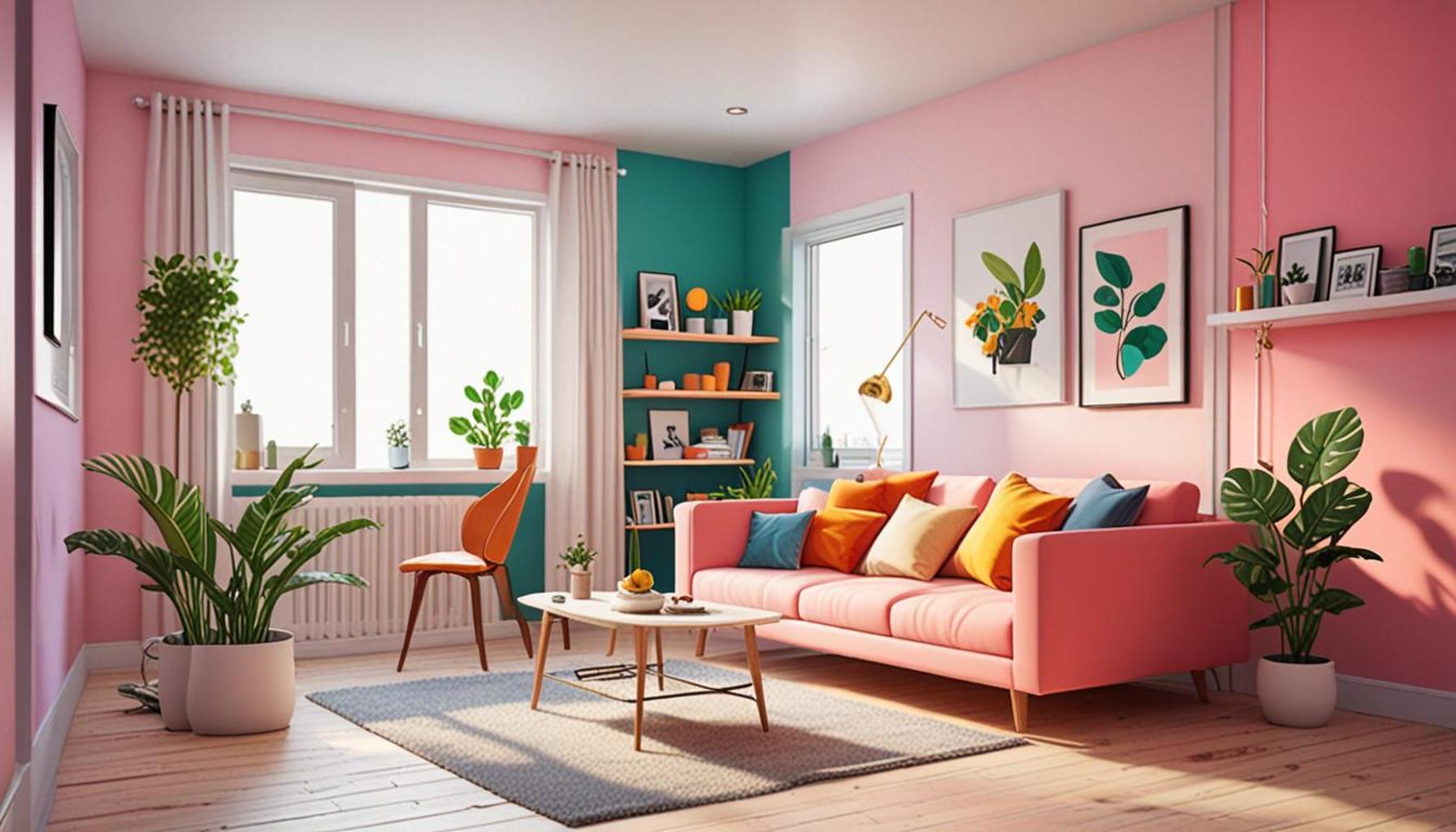
Reducing Clutter in Family Life: How to Organize Shared Spaces for Harmony and Connection
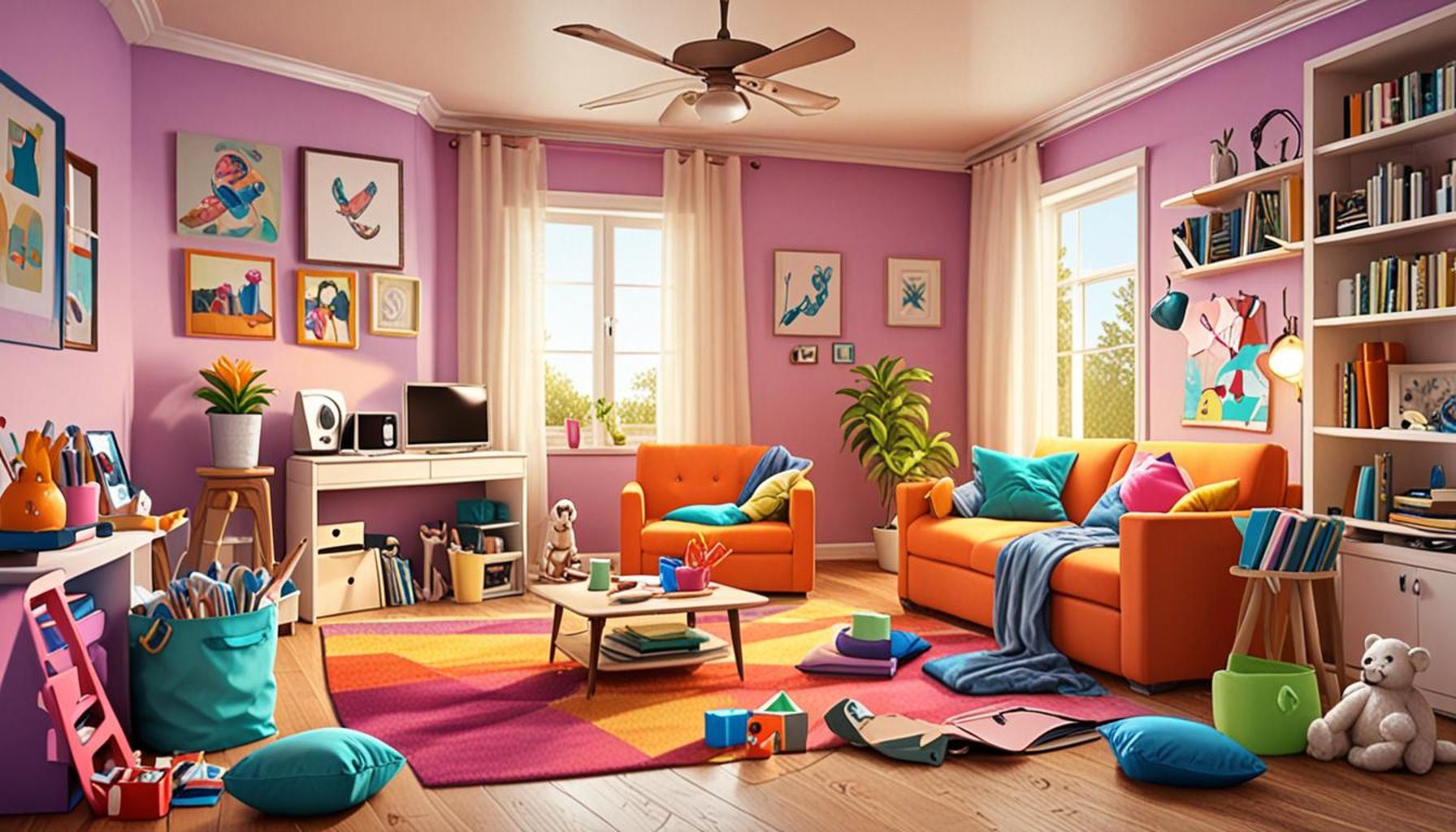
The Importance of Organization in Daily Life
In today’s fast-paced life, clutter can pile up faster than we realize. Family life, with its shared spaces, often turns into a battleground of chaos. It’s essential to recognize that reducing clutter can lead to improved harmony and connection among family members. The increasing number of responsibilities and commitments can leave little time for tidiness, but taking steps towards organization is worth the effort.
Why does this matter? Here are some compelling reasons:
- Less Stress: A decluttered home reduces anxiety and promotes a calm environment. Research shows that a messy environment can elevate stress levels, while a neat one lowers cortisol levels, a hormone associated with stress. Families that prioritize tidiness often report feeling more relaxed and content.
- Improved Relationships: Organizing shared spaces fosters cooperation and teamwork within the family. When everyone contributes to keeping a space tidy, it cultivates a sense of responsibility and unity. It also minimizes conflicts over shared areas, turning them into productive and enjoyable spaces.
- Increased Productivity: A tidy environment enhances focus, making daily tasks more manageable. With fewer distractions, family members can complete homework, chores, and even leisure activities with greater efficiency.
In Nigeria, where family ties are strong and communal living is common, clutter can disrupt the quality of life. In many Nigerian households, shared spaces such as the living room, kitchen, and even bedrooms often accumulate belongings from various family members. This can lead not only to physical disarray but also to emotional disconnection. Implementing a system to manage clutter becomes crucial in these settings.
To transform chaotic shared spaces into areas of harmony and connection, families can employ several effective strategies. Start by setting specific times for decluttering sessions. This can be a weekly family activity where everyone is involved, making it easier to manage and less overwhelming. Establish designated areas for items like shoes, books, and toys to ensure that every family member knows where things belong. Even using local materials to create storage solutions can be a fun and interactive project that brings the family together.
Additionally, practice regular assessments of the space. Encourage family discussions about what items are no longer needed and could be donated or discarded. This not only clears space but also instills values of generosity and mindfulness about consumption.

By implementing these practical tips and insights, families can reclaim their homes and strengthen their bonds. As you tackle the mess, strive to create an inviting atmosphere where peace and unity flourish. Remember, an organized space is a canvas upon which family memories, laughter, and love can be beautifully painted.
SEE ALSO: Click here to read another article
Strategies for Creating Order in Shared Spaces
Organizing shared spaces within the family isn’t merely about aesthetics; it’s a powerful way to foster a sense of belonging and teamwork. When family members actively participate in reducing clutter, they not only declutter their physical environment but also cultivate emotional connections and strengthen their relationships. Here are some effective strategies to consider for achieving a well-organized home:
- Establish Clear Zones: Divide common areas into specific zones designated for different activities. For instance, create a reading nook in the living room with comfortable seating and a shelf for books, or dedicate a play corner for children’s toys. This structure encourages family members to keep their belongings in the designated areas.
- Involve All Family Members: Make organization a family affair. Each member should have responsibilities suited to their age and ability. Younger children can help with small tasks like putting away toys, while older children can take on bigger responsibilities, like organizing their study areas. This shared effort not only lightens the workload but also fosters a sense of mutual responsibility.
- Declutter Regularly: Integrate decluttering into your family routine. Set aside time each week or month where everyone goes through their belongings to decide what to keep, donate, or discard. This practice not only keeps clutter at bay but also promotes mindfulness regarding possessions and consumption.
- Utilize Local Resources: In Nigeria, where resourcefulness is key, consider creative storage solutions using locally sourced materials. For example, baskets woven from palm leaves can serve as attractive and functional storage options. Engaging in crafting together can become a bonding activity that leads to beautifully organized spaces.
- Implement a “One In, One Out” Rule: This simple yet effective rule encourages family members to prevent clutter from accumulating. Each time someone brings a new item into the home, they should commit to removing one item. This reinforces the idea of intentionality in bringing new things into shared spaces.
As families embark on this journey towards organization, it’s important to remember that patience is key. Change won’t happen overnight; however, establishing these practices can lead to lasting benefits. Children and adults alike learn valuable skills about responsibility and teamwork. They also discover the importance of an organized environment in promoting a peaceful family life. By consistently applying these strategies, families can transform their shared spaces into warm, inviting areas where harmony and connection thrive.
Ultimately, the goal is to create an atmosphere that enhances interaction and connection. When spaces are organized, families can engage more freely with one another, sharing moments that reinforce their bonds. The time invested into reducing clutter will reap a multitude of rewards, ensuring that home remains a haven for every family member.
| Efficiency | Impact on Family Dynamics |
|---|---|
| Utilizing Proper Organization Tools | Enhances Communication Among Family Members |
| Minimizing Time Spent on Search | Promotes Emotional Well-Being Through Reduced Stress |
In the quest for reducing clutter in family life, using proper organization tools can greatly enhance efficiency. Modern storage solutions, like collapsible boxes and multi-purpose furniture, cater to diverse family needs, ensuring every item has a designated space. This level of organization minimizes time spent searching for items, fostering a more tranquil home environment. Furthermore, when shared spaces are decluttered and systematically organized, communication among family members improves. It creates a sense of harmony, making family interactions more positive and intentional. These changes can lead to enhanced emotional well-being, significantly reducing the stress that often comes with disarray and confusion. Embracing these principles not only nurtures connections but also opens doors to deeper discussions on family responsibilities and roles, transforming the collective living experience into a more fulfilling journey for everyone involved.
ADDITIONAL INSIGHTS: Expand your understanding here
Building a Sustainable Organization Culture
Creating a harmonious and organized family environment involves not just methods to reduce clutter, but also nurturing a culture that values order and connection. This culture can be cultivated through ongoing practices that encourage engagement and appreciation among family members. Here are some pivotal ways to reinforce this sustainable organization culture:
- Set Up Family Meetings: Regular family meetings allow each member to express their thoughts and feelings about shared spaces. Use this time to discuss organization strategies, victories, and areas needing improvement. These collaborative discussions enhance communication skills and empower each member to take ownership of the shared environment.
- Celebrate Achievements: Recognizing the efforts made towards a clutter-free home can be both motivating and rewarding. Celebrating milestones—like completing a family room organization project—can foster a sense of accomplishment. This could be as simple as a family movie night or a small party to appreciate everyone’s contributions. Such affirmations build enthusiasm around keeping shared spaces tidy.
- Make It Fun: Infusing fun into the organizing process can turn a chore into an enjoyable family activity. Create games around tidying, such as timed competitions to see who can pick up the most items or innovative ways to arrange furniture. Engage young children with colorful storage solutions and storytelling about their favorite toys, creating a deeper connection to their belongings.
- Maintain Flexibility: Families evolve, and so do their needs. As children grow or lifestyles change, reassessing the organization strategies is essential. Regularly revisit established zones and make necessary adjustments; this flexibility ensures the home remains functional and relevant to the family’s current dynamics.
- Teach Minimalism: Introducing the principles of minimalism can reshape perspectives on consumption and ownership. Encourage families to focus on quality over quantity when sourcing new items. This not only leads to a reduction in clutter but also paves the way for a more meaningful engagement with possessions, fostering connection over materialism.
In a rapidly changing world, the notion of shared spaces goes beyond mere organization and takes on a community-like essence. In Nigeria, where family connections are deeply rooted in culture, fostering shared spaces extends to the gathering of extended family members and friends. By creating organized yet welcoming areas, families can enhance their social interactions and embrace the vibrant customs that define family life.
Furthermore, creating shared spaces reflects the identity of the family unit. Incorporating traditional elements, such as local art or cultural artifacts, can turn a living area into a celebration of heritage while remaining functional. Using locally sourced materials for organization and décor can inspire creativity and reinvigorate communal spaces, reinforcing both organization and cultural pride.
Ultimately, the integration of these sustainable strategies into family life promotes long-term organization while fortifying emotional bonds among family members. By establishing a supportive framework for reducing clutter, families create an environment ripe for connection, joy, and shared experiences. Individuals learn that their contributions matter and that their living space is a reflection of their collective identity, paving the way for a life filled with harmony.
LEARN MORE: This related article may interest you
Conclusion
In summary, reducing clutter in family life is more than just a quest for order; it is an essential step towards enhancing harmony and connection within the household. By implementing practical organizing strategies and fostering a culture that values collaboration, families can transform their shared spaces into functional, welcoming areas that reflect their unique identity.
The benefits of a clutter-free environment extend beyond appearances; organized spaces promote efficiency, reduce stress, and encourage meaningful interactions among family members. Embracing sustainable practices such as regular family meetings, celebrating achievements, and introducing elements of fun into organization can further deepen emotional bonds while instilling essential life skills in younger generations.
As families evolve, so too should their organization strategies. Adapting to changing needs not only keeps shared spaces relevant but also promotes resilience and creativity within the family dynamic. Ultimately, by teaching the principles of minimalism and focusing on quality connections over material possessions, families can create a legacy that transcends physical objects, emphasizing the value of shared experiences and cultural heritage.
In a diverse society like Nigeria, where the essence of family is rooted in collective harmony, these practices can help cultivate a richer family life. By engaging with their surroundings and cherishing their shared spaces, families can pave the way for a future filled with joy, understanding, and lasting connections.