The Role of Clutter in Self-Image: How Personal Organization Can Boost Self-Esteem

Understanding Clutter and Its Impact
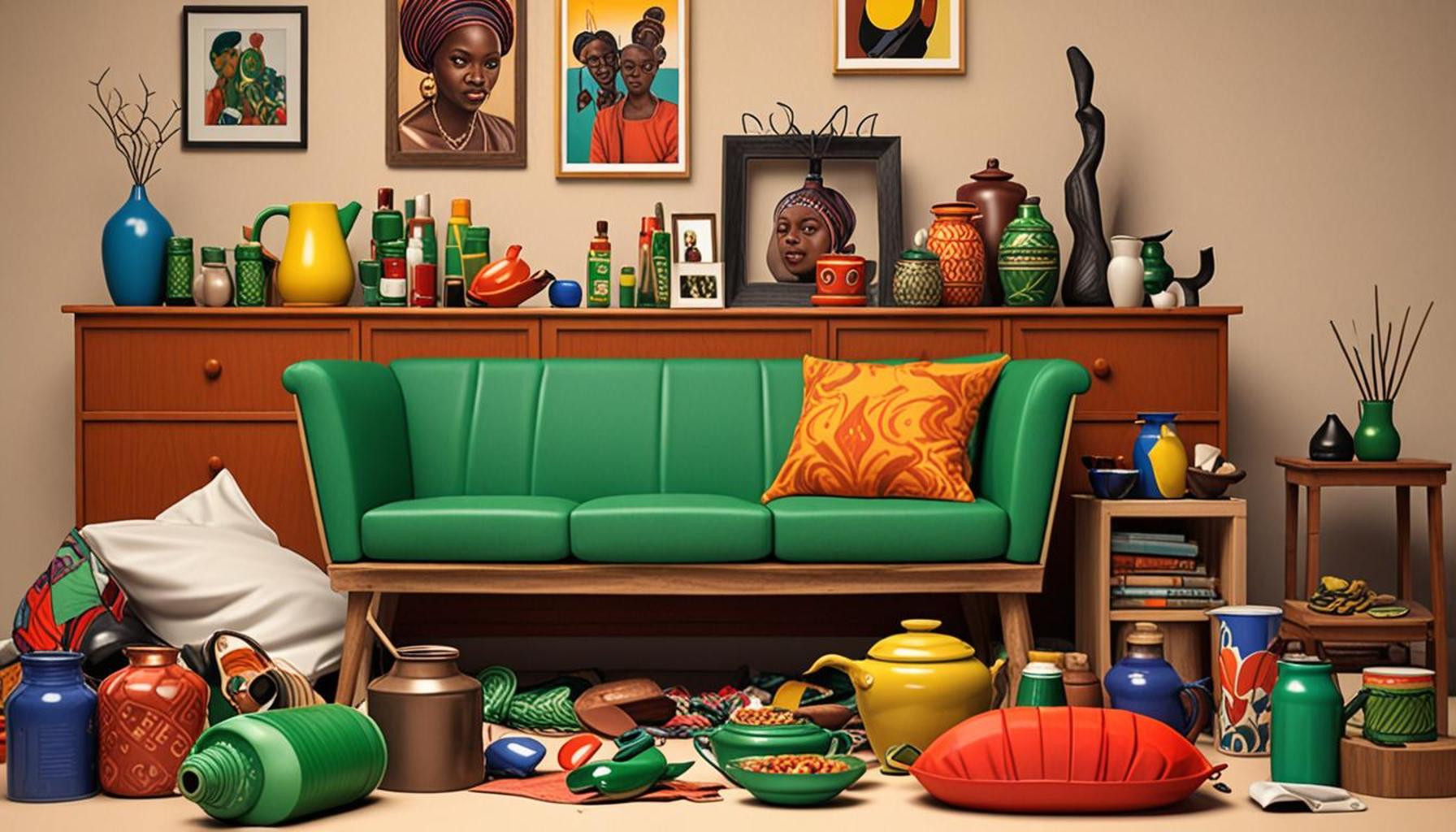
Clutter is not just a physical accumulation of items; it represents a state of disarray that can infiltrate various aspects of life, including homes, workplaces, and even thoughts. Many Nigerians find themselves surrounded by the remnants of yesterday’s activities, whether it’s a crowded living room filled with items from events long past or an office overflowing with papers and supplies. This chaotic environment can have profound effects on one’s mental health and overall quality of life.
Increased Stress
In a bustling country like Nigeria, filled with vibrant activities, a disorganized space can amplify the stress of daily life. For instance, imagine a busy professional juggling multiple deadlines while the clutter on their desk continues to grow. Each piece of paper, every unfiled document can contribute to a sense of overwhelm. Research indicates that clutter can trigger the body’s stress response, leading to increased anxiety levels. This can be particularly true in urban areas where the fast pace and high demands of city life already contribute to heightened stress levels.
Decreased Productivity
Clutter doesn’t just occupy space; it occupies our attention. In offices across Nigeria, especially in bustling cities like Lagos or Abuja, the sight of an untidy desk can detract from focus and hinder productivity. Studies show that individuals in cluttered environments may take longer to complete tasks and may struggle to prioritize effectively. For example, a teacher working from a disorganized classroom might find it challenging to prepare lessons or grade papers efficiently, ultimately impacting their ability to teach effectively.
Negative Self-Perception
The implications of living amidst chaos extend into self-esteem. Many Nigerians find that their living space reflects their self-image. If a home is cluttered and chaotic, individuals may internalize this disarray, leading to feelings of inadequacy. This negative self-perception can influence interactions with others, making social gatherings feel burdensome rather than enjoyable. For example, a family may hesitate to invite friends over due to embarrassment about their disorganized space, reinforcing a cycle of isolation and low self-worth.
Recognizing the link between clutter and self-image opens avenues for personal transformation. By adopting effective organization strategies, individuals can foster clarity and a sense of control, leading to a more positive self-image. This process may involve decluttering physical spaces, setting clear boundaries for belongings, and establishing practical routines.

Ultimately, reshaping one’s environment can have a ripple effect on overall well-being and confidence. Whether it’s making small adjustments to a workspace or committing to a more significant home organization project, the idea is to create spaces that nurture rather than detract. This article encourages readers to explore organizing methods that resonate with their lifestyle, helping them transform their lives one organized corner at a time.
SEE ALSO: Click here to read another article
The Connection Between Clutter and Mental Well-Being
Understanding the profound impact of clutter on self-image requires delving into the psychological ramifications of organizing—or failing to organize—our spaces. For many Nigerians, the accumulation of unnecessary items is more than just a benign inconvenience; it can significantly alter mental states and influence how we perceive ourselves. In a society that often equates success with neatness and orderliness, the feeling of being surrounded by clutter can evoke feelings of shame and inadequacy.
The Psychological Weight of Clutter
Living in a cluttered environment can lead to feelings of stagnation. When individuals see piles of unaddressed issues, whether they be bills, clothes, or household items, it can create a visual reminder of what remains unaccomplished. Psychologists argue that clutter demands constant attention, inadvertently distracting individuals from what matters most. In bustling cities like Lagos, where time often feels scarce, this can exacerbate feelings of failure and time poverty. The chaos of disorganization can leave one feeling helpless, as if they are unable to take control of their surroundings—or their lives.
Decluttering as a Pathway to Empowerment
Fortunately, the relationship between clutter and self-esteem does not have to be a downward spiral. The act of decluttering offers a powerful opportunity for personal empowerment. By organizing physical spaces, individuals can create environments that reflect their aspirations rather than their anxieties. Here are some ways personal organization can reinforce self-esteem:
- Creating a Sense of Accomplishment: Completing a decluttering project, whether it’s a single drawer or an entire room, provides tangible evidence of achievement.
- Enhancing Mental Clarity: An organized space encourages clearer thinking and decision-making, allowing individuals to focus on their goals rather than distractions.
- Fostering Positive Habits: Establishing a routine for regular organization can cultivate a habit of self-care, reinforcing a positive self-image over time.
- Improving Social Interactions: A tidy space invites more social engagements, diminishing feelings of isolation and promoting a sense of belonging.
Engagement in the process of organizing not only creates a favorable environment but also nurtures a positive mindset. For many, the realization that control over one’s surroundings is possible can serve as a catalyst for personal growth. This newfound clarity may extend beyond physical spaces, encouraging individuals to tackle other areas of their lives, be it career aspirations, relationships, or health goals.
Transformational Effects of Personal Organization
The transformative potential of creating an organized environment should not be underestimated. Each small victory contributes to a larger narrative of self-worth. As Nigerians strive for success in their personal and professional lives, embracing organization as a means to foster self-esteem can yield significant benefits. With each organized space reflecting a commitment to personal values, individuals can cultivate a lifestyle that not only looks good on the outside but feels good on the inside as well.
The Psychological Effects of Clutter
Understanding clutter is essential to exploring its impact on self-image. Research indicates that a cluttered environment can lead to negative emotional states, affecting one’s self-esteem and overall mental health. Individuals often perceive their living or working spaces as reflections of themselves; thus, a disorganized space may trigger feelings of inadequacy or failure.
Moreover, clutter can significantly distract us. According to studies, visual noise in our surroundings can hinder focus and increase stress levels, making it challenging to excel in both personal and professional realms. This stress can manifest in low self-worth, as it may hamper the achievement of goals and aspirations.
Personal Organization and its Benefits
On the flip side, embracing personal organization can serve as a powerful tool for enhancing self-esteem. By taking control of our environment, we not only create a sense of order but also reinforce our ability to manage aspects of our lives.
Implementing effective organizational strategies fosters a sense of accomplishment. For instance, dedicating time to declutter can yield immediate visible changes, leading to feelings of empowerment. Achieving an organized space can transform thoughts about oneself, instilling confidence and promoting positive self-reflection.
Furthermore, organized spaces encourage productivity, allowing individuals to concentrate on their tasks without distractions. As tasks become easier to manage, a heightened sense of control develops, often leading to increased effectiveness and satisfaction in both personal and professional areas.
Taking Steps Towards Organization
Starting with small actions can lead to significant changes. Simple steps such as adopting daily decluttering routines or designating specific places for belongings can lead to an organized space that promotes well-being and boosts self-image. Developing and sticking to organizational habits creates an environment conducive to growth and self-acceptance, paving the way for a healthier and more fulfilling life.
| Advantage | Explanation |
|---|---|
| Enhanced Focus | An organized space eliminates distractions, facilitating concentration on tasks. |
| Boosted Confidence | Achieving a tidy environment fosters feelings of accomplishment, enhancing self-esteem. |
The connection between clutter and self-image is profound and multi-faceted. By understanding its implications and taking actionable steps toward personal organization, individuals can truly transform not just their spaces, but their self-perception and mental well-being.
RECOMMENDED: Check out this similar article
Reclaiming Space: The Strategies for Effective Personal Organization
While the psychological weight of clutter can be immense, the journey toward effective personal organization need not be overwhelming. There are several strategies that can facilitate decluttering, making the process both manageable and rewarding. Recognizing that orderliness is not merely an aesthetic choice but a pivotal component of mental well-being can catalyze individuals into taking action.
Starting Small: The Power of Micro-Decluttering
For many, the sheer scope of decluttering—especially in densely populated urban environments like Abuja or Port Harcourt—can be daunting. A useful approach is to embrace micro-decluttering, where individuals focus on small, specific areas to clear out. Tackling one drawer, one bookshelf, or even one corner of a room allows for quick wins that build momentum. This incremental progress not only boosts mood but also encourages further organization, creating a ripple effect throughout the home.
Mindful Decision-Making: The ‘One In, One Out’ Rule
Transitioning toward a decluttered existence involves more than just organizing; it requires a shift in mindset regarding consumption. The popular principle of *one in, one out* can be quite effective. This means that for every new item acquired, an old one must be discarded or donated. This strategy fosters a more intentional approach to belongings and combats the tendency to accumulate unnecessary clutter. For instance, if a new piece of clothing is bought, it serves as a moment of reflection on the current wardrobe and encourages individuals to evaluate their choices, thus enhancing self-image related to personal responsibility and sustainability.
Creating Emotional Connections with Possessions
One of the key aspects of decluttering is understanding the emotional connection we have with items. Minimalism advocates often suggest asking oneself whether an object brings joy. This technique, as popularized by organizing expert Marie Kondo, encourages individuals to reevaluate their relationships with material possessions. In Nigeria, where cultural items can hold significant sentimental value, this process may involve prioritizing the items that resonate with personal history and aspirations while letting go of those that merely take up space.
Utilizing Digital Tools for Organization
In this digital age, technology can also play a role in the quest for organization. Apps and online platforms designed for personal organization can help individuals track items, manage tasks, and set reminders for decluttering sessions. For example, digital lists and inventory apps can streamline the decluttering process, making it easier to visualize what one has and what needs to be addressed. Moreover, these tools can help in maintaining an organized lifestyle, reducing the likelihood of slipping back into cluttered habits.
The Collective Benefits: Community and Support Systems
Finally, engaging with a support system can significantly enhance the decluttering process. Whether through family, friends, or community groups in Nigeria focused on organization, having accountability can provide the encouragement needed to sustain momentum. This communal aspect of decluttering not only facilitates organization but also fosters social bonds, contributing positively to self-esteem and a sense of belonging.
Thus, personal organization transcends mere tidiness—it’s an empowered expression of self-worth and capability. By working through clutter strategically, individuals can pave the way for an elevated self-image, aligning their physical environment with their inner aspirations.
YOU MAY ALSO LIKE: Read read another article
Conclusion: Embracing Organization for Enhanced Self-Image
In a world where personal space often reflects inner turmoil, understanding the role of clutter in self-image becomes essential. As we’ve explored, the chaos of disorganization can not only affect our physical environment but also have profound implications on mental well-being and self-esteem. The strategies for effective personal organization, such as micro-decluttering, the ‘one in, one out’ rule, and emotional connections with possessions, serve as valuable tools that empower individuals to reshape their surroundings and, consequently, their self-perception.
By adopting mindful approaches to organization, individuals in Nigeria, from bustling cities like Lagos to serene villages, can reclaim their spaces and enhance their self-esteem. Utilizing digital aids for tracking belongings and fostering community support can further amplify these efforts, creating a shared journey toward not just organization, but also the construction of healthier self-identities. Embracing this new perspective reveals that the act of decluttering is not merely about eliminating excess; it provides a path toward a more intentional, fulfilling lifestyle.
Ultimately, the quest for personal organization transcends the physical realm to touch upon the deeper aspects of who we are and who we aspire to be. By aligning our environments with our values and dreams, we can cultivate a heightened sense of self-worth—demonstrating that personal organization is indeed a powerful catalyst for self-improvement.