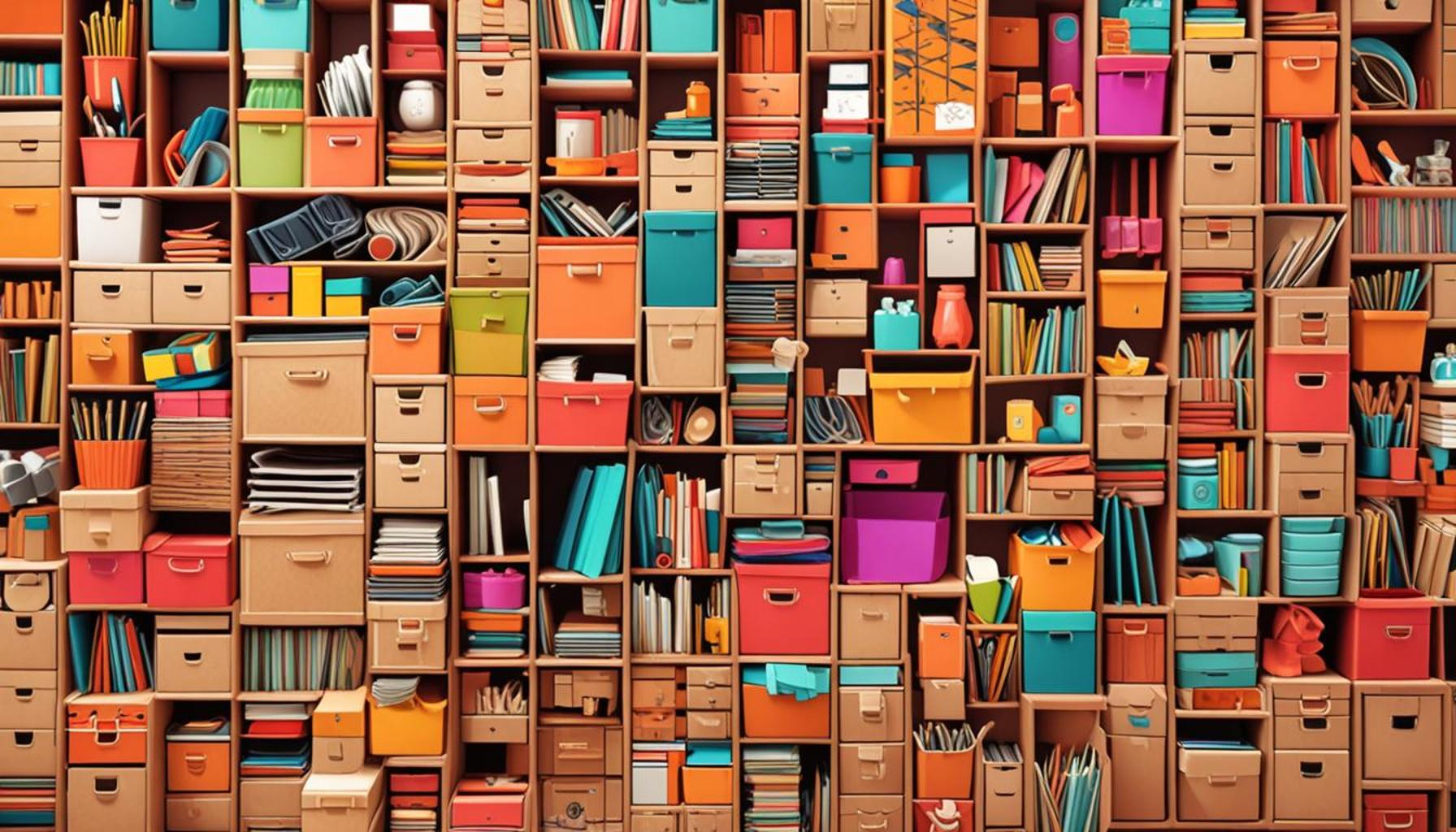
Minimum Storage: Creating Functional Zones in Open Environments
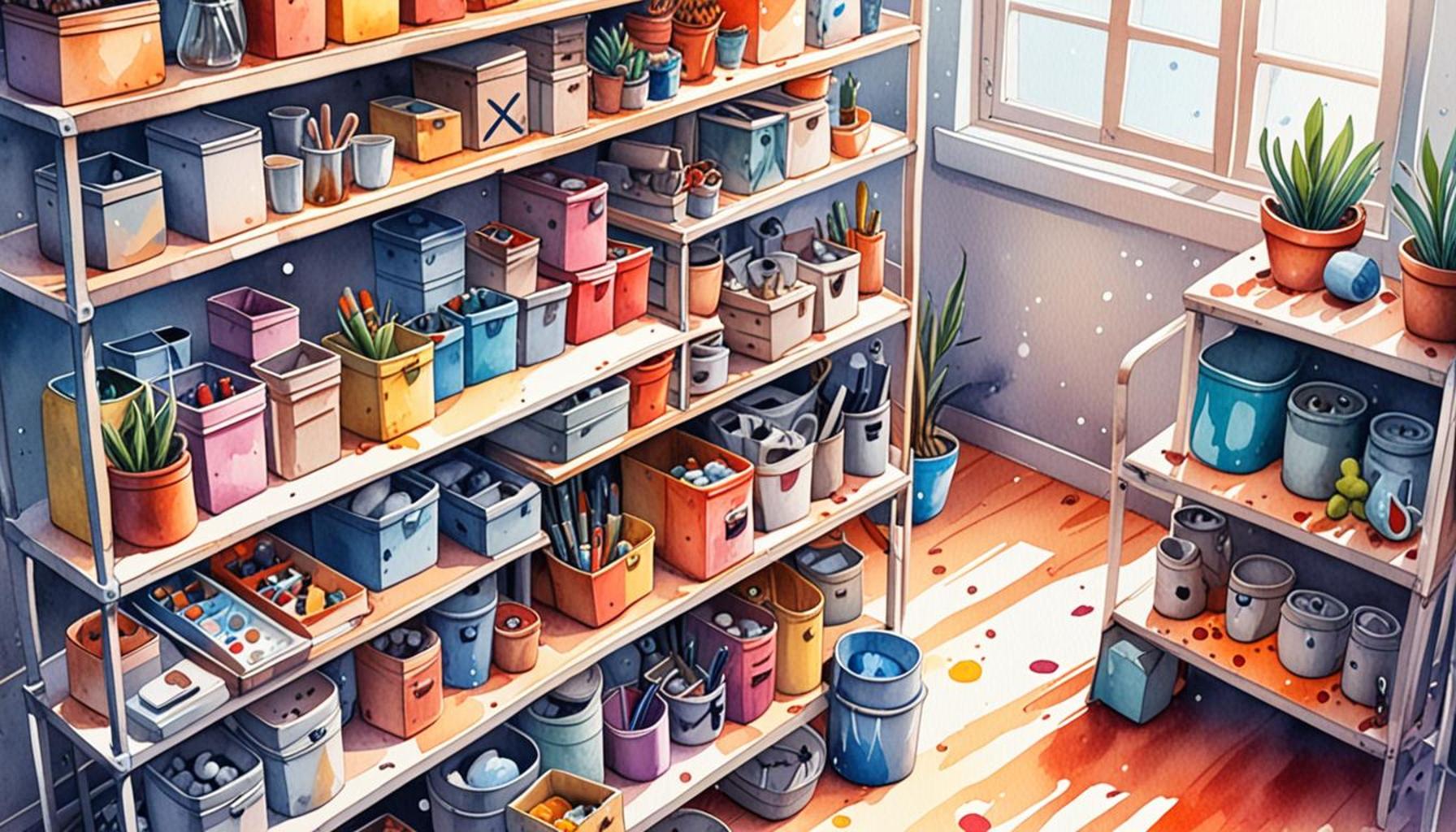
Redefining Spaces for Maximum Efficiency
In today’s fast-paced world, the concept of minimum storage is becoming increasingly vital. Open environments, whether in homes or offices, require a careful balance between aesthetics and functionality. The need for functional zones that promote productivity and organization has never been greater. As urban areas expand and living spaces shrink, the challenge of maximizing efficiency becomes more pronounced, particularly in countries like Nigeria where space can often be a luxury.
Understanding how to create defined spaces helps individuals maximize their available area, leading to enhanced productivity and reduced chaos. Here are several critical aspects to consider:
- Clutter Reduction: Minimizing storage options encourages conscious decluttering, yielding a cleaner, more inviting space. This can be particularly beneficial in Nigerian households, often bustling with activity; a tidy space can significantly enhance peace.
- Zone Identification: Clearly defining zones facilitates different activities such as work, relaxation, and socializing, reducing distractions and leading to improved focus. For instance, a dedicated workspace within a living area, delineated by a bookshelf or an elegant room divider, can create a mentally separate environment for productivity.
- Flexibility: Adaptable spaces that can transform based on needs are ideal for varied tasks. Nigerian homes embracing this concept often incorporate room arrangements that change from day to night—turning a simple dining area into a vibrant social space for entertaining family and friends.
Take, for example, the rising trend of multifunctional furniture in urban Nigerian households, where limited space pushes innovation. Items like sofa beds that convert into spacious sleeping areas and foldable desks that tuck away when not in use are perfect illustrations of how minimal storage solutions can enhance functionality. These elements not only save space but also add a touch of creativity to home design.
Moreover, the significance of utilizing vertical space cannot be overstated. In many Nigerian cities, where traditional homes may have limited square footage, shelving units that reach upwards can free up valuable floor space while displaying décor and storing essentials. This transformative use of space exemplifies how innovative design can foster an environment of simplicity.
As we delve deeper into this discussion, we’ll uncover further innovative strategies for designing spaces that say goodbye to excess and welcome simplicity. The journey toward an organized and efficient environment is just beginning, inviting readers to consider how their own spaces can evolve to meet the demands of modern living.
YOU MAY ALSO LIKE: Read read another article
Maximizing Space Through Strategic Design
Creating functional zones in open environments revolves around the intelligent use of minimum storage solutions designed to maximize emotional and physical space. In bustling cities across Nigeria, where homes often serve multiple purposes, effective space management not only enhances day-to-day living but fosters a sense of order amidst the chaos. As urban designers explore new methods to optimize interiors, the importance of distinct areas that serve specific functions becomes increasingly evident.
One of the first steps in establishing functional zones is implementing zoning strategies. Identifying the purpose of each area ensures that every square foot of space is utilized efficiently. For instance, many contemporary Nigerian homes see the living room transform into a workspace during the day and a social gathering area in the evening. Employing furniture that can easily transition between these functions is vital. Common solutions include:
- Convertible pieces: Items such as extendable dining tables, fold-out desks, and ottomans with hidden storage enable spaces to evolve based on daily activities.
- Multi-purpose room dividers: Decorative screens or bookshelves can delineate distinct areas while adding visual appeal, creating a boundary without sacrificing openness.
- Stackable or foldable seating: Chairs and stools that can be easily stored away provide flexibility for gatherings and daily use while keeping spaces uncluttered.
Another aspect to consider in the journey towards a more organized atmosphere is functional color schemes and materials. The colors chosen for walls and furniture can influence perceptions of space. Lighter hues, such as whites and pastels, can create an illusion of greater depth, while darker tones may produce an inviting warmth, enhancing zones dedicated to relaxation. Sustainable materials, like reclaimed wood or bamboo, not only add character but also minimize environmental impact, appealing to the eco-conscious Nigerian homeowner.
Furthermore, incorporating storage solutions that adapt to the verticality of spaces can be particularly beneficial. Utilizing wall-mounted shelves and cabinets allows for essential items to be stored off the ground, preserving valuable floor space. This trend is growing among urban dwellers, where every inch counts, and can be integrated seamlessly into the home’s aesthetic.
In light of these strategies, it becomes clear that redefining how we view our spaces can lead to remarkable improvements in functionality and organization. As we explore more innovative tips for enhancing living areas, the potential impact on everyday life becomes increasingly compelling, encouraging Nigerian homeowners to embark on their journey toward functional zones that harmoniously blend minimum storage with active living.
| Category | Description |
|---|---|
| Space Utilization | Minimum storage</ promotes efficient use of space by integrating various functions within distinct zones, ensuring a seamless flow throughout open environments. |
| Aesthetic Flexibility | With functional zones, design elements can be customized to enhance visual appeal while maintaining practicality, allowing for personal expression within communal areas. |
The concept of ‘Minimum Storage: Creating Functional Zones in Open Environments’ is instrumental in contemporary design practices. By clearly defining functional spaces, individuals can maximize productivity without feeling overwhelmed by clutter. In addition, this approach encourages collaborative interactions, which can lead to enhanced creativity and innovation. As more people gravitate toward flexible and open layouts, understanding how to skillfully integrate storage solutions becomes paramount. Moreover, effective planning of functional zones encourages social engagement while providing a sense of ownership. This mixture of practical storage and social spaces facilitates a collective experience, aligning with the modern ethos of community living. Innovative layouts not only optimize each area’s utility but also transform empty spaces into vibrant hubs of activity, ensuring that every inch counts in establishing a dynamic environment.
CHECK OUT: Click here to explore more
Innovative Storage Solutions for Enhanced Functionality
In the quest for effective space management within open environments, particularly in Nigeria’s urban landscape, the embrace of innovative storage solutions plays a critical role. These solutions not only address the challenge of minimum storage but also contribute to creating functional zones that cater to diverse needs. As the design of homes evolves, integrating smart storage can significantly enhance usability and promote a more organized living experience.
Consider the rise of modular furniture in contemporary Nigerian homes. These versatile units can transform a space in response to its activities. For example, modular sofas can be reconfigured to accommodate family gatherings, movie nights, or even guest accommodations. By opting for furniture pieces that adapt to changing scenarios, homeowners can optimize their available space without feeling constrained. The emergence of brands focusing on customizable options reflects a market trend driven by consumer demand for flexibility in design.
Additionally, thoughtful use of under-stair storage can make a significant difference in maximizing space. In brick-and-mortar homes where staircases are prevalent, this often-overlooked area can be transformed into valuable storage for shoes, bags, or books. By integrating cabinets or drawers beneath the stairs, homeowners can maintain an uncluttered living area while ensuring that items are within reach when needed. Open shelving units can also serve dual purposes, exhibiting decorative pieces while keeping essential items organized.
As technology permeates everyday living, smart storage solutions have emerged as a savvy choice for modern homes. Gadgets like automated cabinets or electronic shelving that adjusts its height according to the user’s needs offer enhanced functionality. These advancements cater to a tech-savvy population that prioritizes efficiency alongside style. Moreover, they encourage families to embrace a minimalist lifestyle, reducing clutter in their living spaces and creating a more harmonious environment.
Another key aspect to consider is maximizing hidden storage, which allows for a visually appealing yet highly functional aesthetic. Beds with built-in drawers or lift-up mattresses can store bedding, clothing, and seasonal items without disrupting the overall design scheme of the room. Similarly, coffee tables with compartments can conceal magazines, remote controls, and other smaller items while contributing to the decor. This method of integrating storage into furniture design is particularly advantageous in apartments or smaller homes where every inch is precious.
Moreover, the choice of accessories also contributes significantly to the minimalist theme in open spaces. Items such as decorative baskets, stylish bins, or attractive boxes not only serve as functional storage but also enhance the overall aesthetic appeal of the zone. Utilizing these decorative storage options can transform areas typically viewed as cluttered into seamlessly organized zones that reflect personal style while maintaining functionality.
By applying these innovative storage solutions and employing a strategic approach to organizing space, Nigerian homeowners can create multifaceted environments that adapt to changing needs. As urban living continues to evolve, the integration of these concepts is vital in achieving a balance between comfort, style, and practicality, further encouraging the utilization of minimum storage effectively.
LEARN MORE: This related article may interest you
Final Thoughts on Minimum Storage Solutions
In conclusion, the journey towards achieving effective space management in open environments is not merely about finding ways to store objects, but about creating functional zones that enhance the everyday experience of living. As urban settings in Nigeria face increasing population density and limited space, the adoption of innovative storage strategies is essential. By prioritizing minimum storage, homeowners can unlock the full potential of their homes while maintaining an orderly and appealing environment.
The various storage solutions discussed—ranging from modular furniture and hidden storage to smart technology integrations—allow for a seamless blend of aesthetics and functionality. These techniques not only optimize space but also respond to the dynamic lifestyles of modern families. Emphasizing a minimalist approach encourages individuals to reconsider their belongings, leading to a more organized and peaceful living area.
Furthermore, as designers continue to innovate and cater to consumer preferences for design flexibility, the availability of diverse storage options will only expand. Nigerians looking to enhance their living spaces are urged to explore creative storage ideas that reflect personal style and adapt to their evolving needs. Ultimately, the pursuit of a well-organized and functional home, characterized by effective minimum storage, can lead to a more harmonious living experience. As urbanization progresses, the principles of smart storage will undoubtedly become integral to home design, serving as a foundation for a new era of living spaces.